
Ramadan is a sacred month centered on reflection, patience, self-discipline, and compassion. Alongside its spiritual significance, Ramadan also brings a unique rhythm to daily eating habits. With long fasting hours from dawn to sunset, the body requires meals that restore energy, support hydration, and provide sustained nourishment—all without causing discomfort or heaviness.

During fasting, the body undergoes metabolic changes. Energy levels drop, hydration decreases, and digestion becomes more sensitive at Iftar. This makes balanced meal planning essential. The right combination of proteins, complex carbohydrates, healthy fats, and fluids helps stabilize blood sugar levels, prevent fatigue, and support overall well-being throughout the holy month.
This Ramadan Recipes guide has been carefully created to help families plan nourishing, practical, and satisfying meals for both Iftar and Suhoor. Every recipe included here is thoughtfully tested and designed to meet the specific needs of fasting—focusing on digestibility, nutrition, and flavor.
You will find a wide variety of:
- Iftar recipes that gently break the fast and replenish energy
- Suhoor meals that keep you full for longer and reduce mid-day hunger
- Healthy drinks to support hydration and electrolyte balance
- Desserts that are lighter yet fulfilling
- Quick and easy meal ideas for busy Ramadan evenings
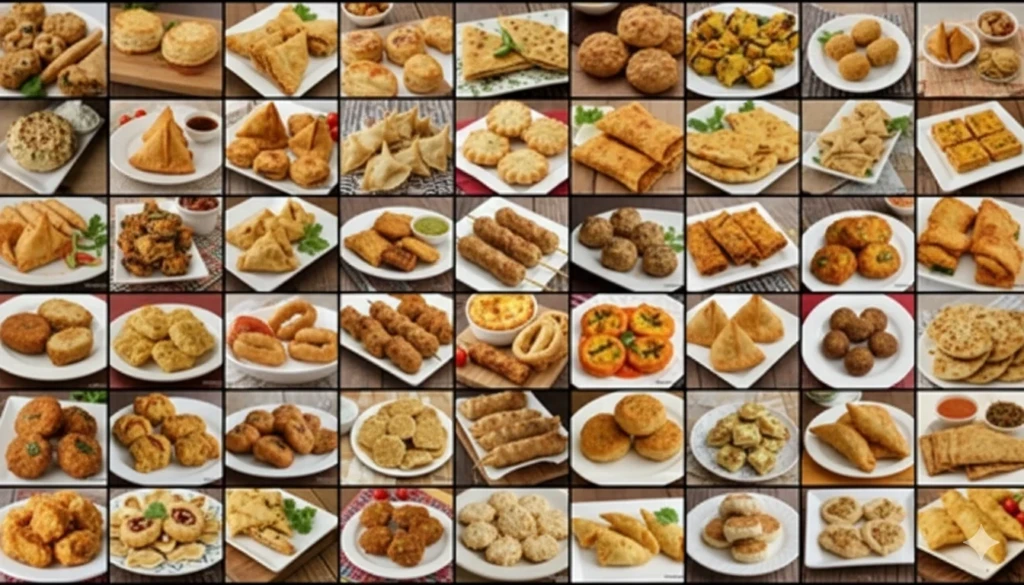
Whether you prefer traditional Ramadan foods, modern healthy adaptations, or time-saving recipes for hectic days, this guide brings everything together in one organized place. Each section is structured to help you quickly find recipes based on your needs—be it protein-rich meals, light starters, family-friendly dishes, or make-ahead options.
Special attention is given to recipes that:
- Are suitable for digestion after long fasting hours
- Use simple, easily available ingredients
- Balance taste with nutrition
- Can be prepared in advance or cooked quickly
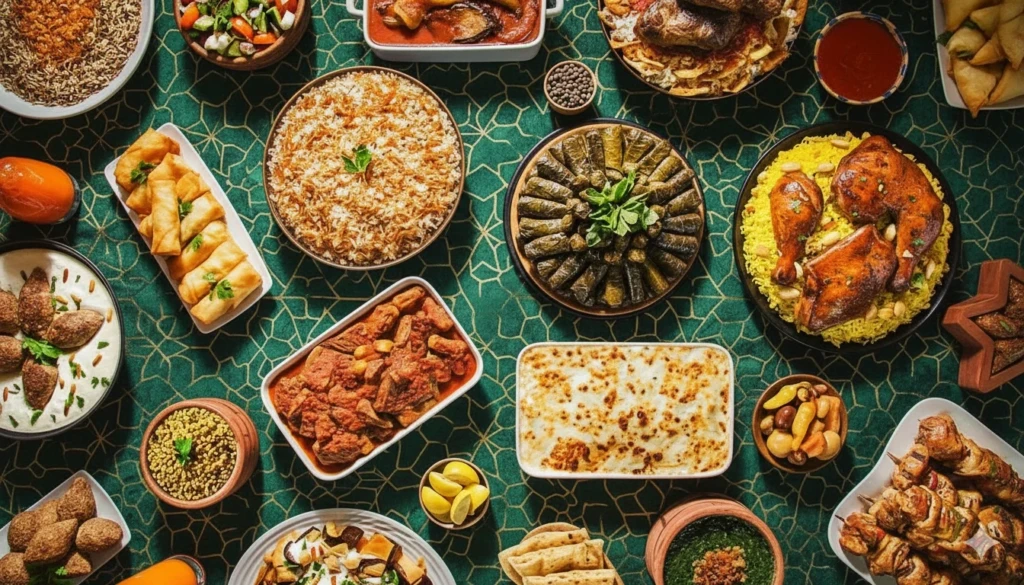
This guide is ideal for individuals, couples, and families looking to maintain consistent energy levels, avoid overeating, and still enjoy flavorful meals throughout Ramadan. It also supports those aiming for healthier eating habits during the month without sacrificing traditional tastes.
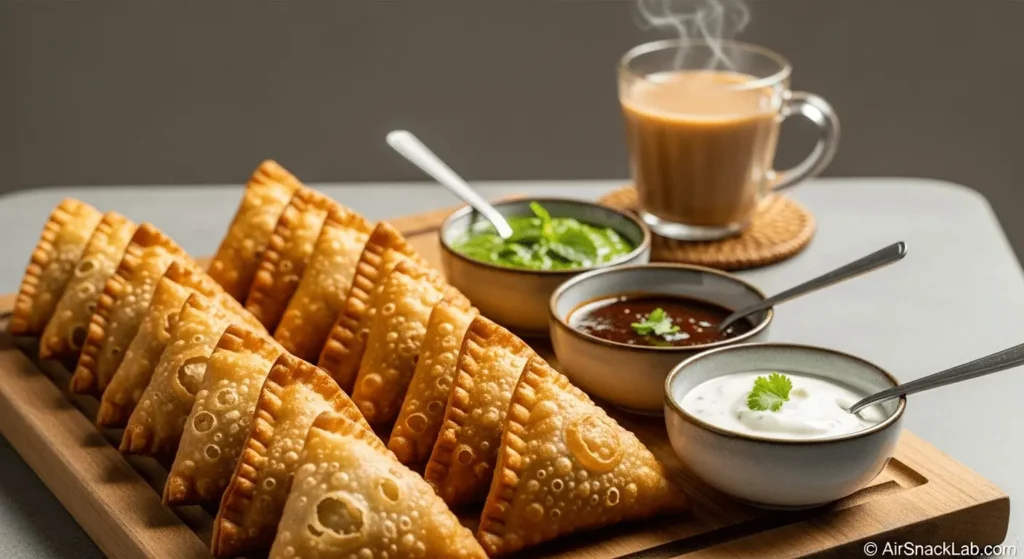
By bringing together Iftar meals, Suhoor options, drinks, desserts, and quick Ramadan recipe ideas, this page serves as a complete planning resource for the entire Holy month. Whether you are preparing daily family meals or hosting special Iftar gatherings, this Ramadan Recipes guide will help you make informed, balanced, and stress-free food choices—allowing you to focus more fully on the spiritual essence of Ramadan.
Best Iftar Recipes
After a long fast, Iftar meals should gently restore energy while providing protein, fluids, and essential nutrients. The recipes below are filling yet practical for daily Ramadan cooking.

- Chicken Seekh Kabab (Juicy & Easy)
- Lentil Soup (Daal Shorba) for Iftar
- Crispy Samosa Wraps
- Pan-Fried Chicken Cutlets
- Vegetable Pakoras (Light & Crisp)
- Chickpea Chaat for Iftar
- Tandoori Chicken
- Hyderabadi Biryani
- Paneer Tikka Curry
- Chicken Wings
- Special Indian Butter Chicken
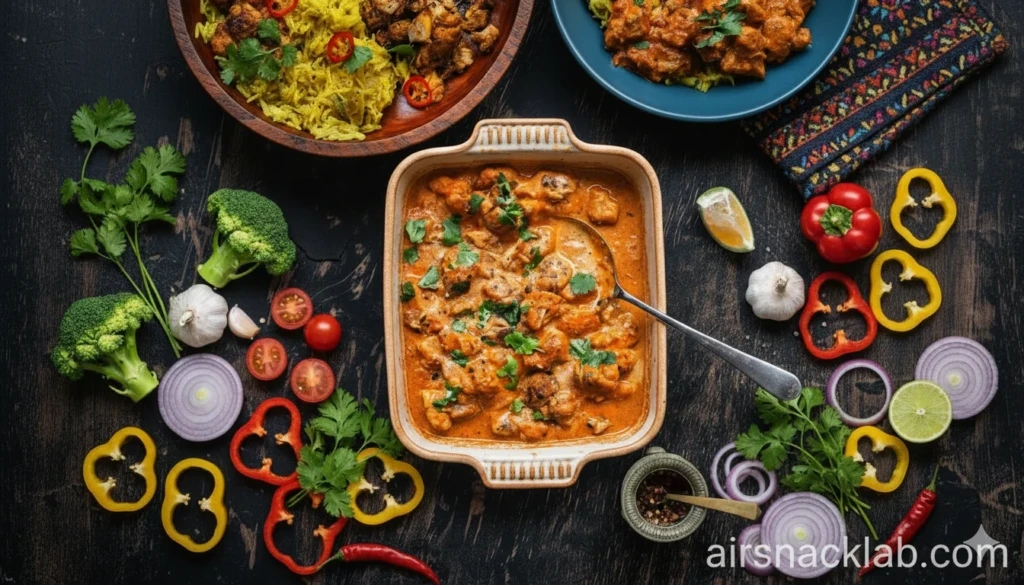
These Iftar recipes are suitable for family dinners and can be paired with dates, water, or fresh fruit.
Healthy Suhoor Recipes (Stay Full Longer)
Suhoor plays a critical role in maintaining energy levels, hydration, and mental focus throughout the fasting day. Since it is the final meal before dawn, what you eat at Suhoor directly affects how your body copes with long hours without food or water. A well-planned Suhoor can help reduce hunger pangs, prevent fatigue, and stabilize blood sugar levels until Iftar.
The most effective Suhoor meals are built around a balance of high-quality protein, dietary fiber, and healthy fats. Protein is essential because it slows digestion and supports muscle maintenance, helping you feel full for longer. Foods such as eggs, yogurt, milk, lentils, and lean meats are excellent protein choices for Suhoor.
Fiber-rich foods are equally important. Whole grains, oats, fruits, vegetables, and seeds digest slowly, which helps prevent sudden energy crashes during the day. Fiber also supports gut health and reduces bloating when fasting.
Healthy fats play a supportive role by providing long-lasting energy and improving satiety. Sources such as nuts, seeds, olive oil, and avocado help sustain fullness without causing heaviness.
In addition to macronutrients, hydration is crucial at Suhoor. Drinking enough water and including hydrating foods helps reduce thirst during fasting hours. Together, these elements create a Suhoor meal that supports endurance, focus, and overall well-being throughout Ramadan.
- Egg & Vegetable Omelette
- Oats with Yogurt and Nuts
- Whole Wheat Paratha with Yogurt
- Chickpea & Spinach Stir Fry
- High-Protein Smoothie for Suhoor
These Suhoor recipes help reduce hunger, prevent energy crashes, and support hydration during fasting hours.
Ramadan Drinks & Hydration Recipes
Proper hydration is essential during Ramadan, particularly in warmer climates where long fasting hours can lead to dehydration, fatigue, and headaches. Since fluid intake is limited to the hours between Iftar and Suhoor, it becomes important to choose drinks that effectively replenish lost fluids and electrolytes without placing unnecessary strain on the body.
The best Ramadan drinks focus on hydration rather than sweetness. Water remains the most important choice, but it can be complemented with beverages that provide natural minerals and support digestion. Drinks made with lemon, mint, cucumber, or soaked seeds help restore electrolyte balance while keeping sugar levels low. Coconut water, when consumed in moderation, is another excellent option due to its natural potassium content.
Avoiding excessive sugar is especially important. High-sugar drinks can cause rapid spikes in blood glucose, followed by crashes that increase thirst and fatigue. Instead, lightly sweetened or unsweetened drinks allow the body to absorb fluids more efficiently and maintain steady energy levels.
Including hydrating foods and beverages at both Iftar and Suhoor helps the body retain water for longer periods. Spreading fluid intake throughout the evening, rather than consuming large amounts at once, further improves hydration. Thoughtfully chosen drinks not only quench thirst but also support overall comfort, digestion, and stamina throughout the fasting day.

- Lemon Mint Drink for Iftar
- Rooh Afza Milk Drink (Moderate Sugar)
- Chia Seed Water for Hydration
- Homemade Electrolyte Drink
- Fruit-Infused Water for Ramadan
Avoid excessive caffeine and sugary drinks, as they may increase dehydration.
Ramadan Desserts
Desserts are a cherished part of Ramadan, often served after Iftar or during family gatherings, adding a sense of celebration and comfort to the meal. While traditional sweets hold cultural and emotional value, they are best enjoyed in moderation, especially during a month that emphasizes balance and mindfulness.
The dessert recipes included here are designed to honor traditional flavors while using lighter, more balanced ingredients. Instead of excessive sugar or heavy fats, these recipes focus on natural sweetness, controlled portions, and simple preparation methods that are easier on digestion after fasting. Ingredients such as dates, nuts, milk, yogurt, and fruits provide flavor and texture while contributing nutritional value.
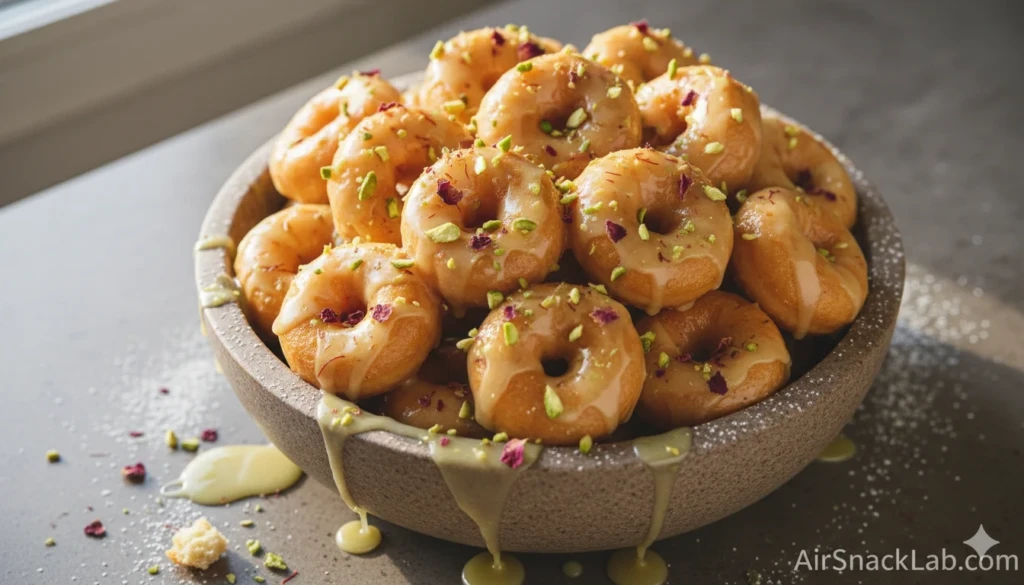
Lighter desserts help prevent post-meal heaviness, bloating, and energy crashes, allowing the body to recover gently after a long fast. Baking, chilling, or minimal cooking techniques are often used in place of deep frying, helping maintain taste without unnecessary richness.
By choosing thoughtfully prepared desserts, families can enjoy the joy of Ramadan sweets while supporting overall well-being and maintaining steady energy levels throughout the holy month.
- Dates & Nut Energy Balls
- Sheer Khurma (Traditional Style)
- Semolina Halwa (Small Portions)
- Baked Milk Custard
- Fruit Cream (Light Version)
These desserts can be prepared ahead of time and served in controlled portions after Iftar.
Quick & Easy Ramadan Recipes (30 Minutes or Less)
On busy days, quick recipes make Ramadan cooking manageable without compromising nutrition.
- One-Pan Chicken & Vegetables
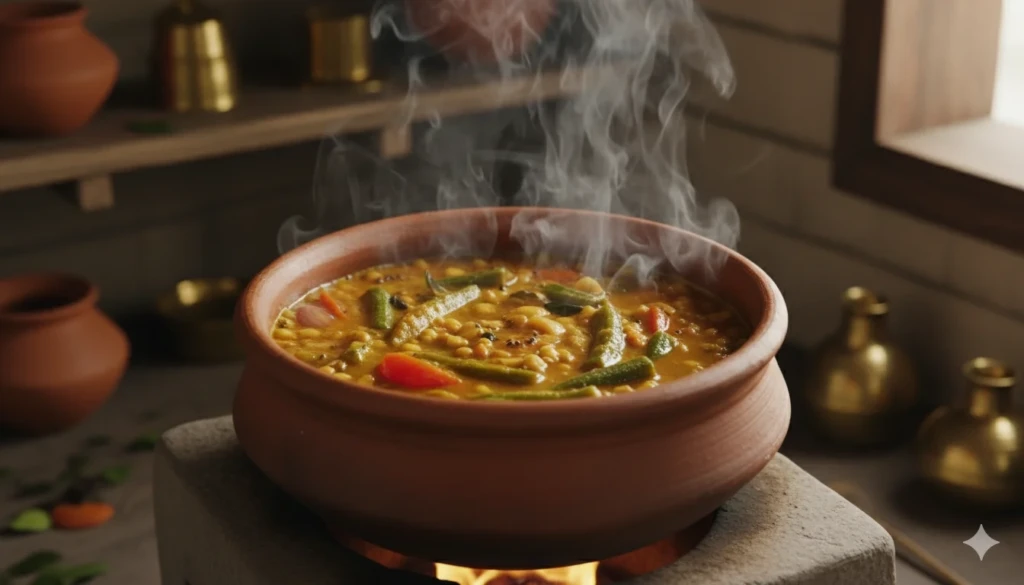
- Quick Lentil Curry
- Egg Fried Rice (Low Oil)
- Toasted Sandwich Wraps for Iftar
- Quick Chickpea Salad
- Air Fried Butter Chicken
- Air Fried Zucchini Chips
- Air Fried Tandoori Chicken Pizza
- Air Fried Chicken Drumsticks
These recipes are ideal for working individuals and families with limited cooking time.
Traditional Ramadan Recipes from Around the World
Ramadan food traditions vary across cultures, shaped by geography, history, and local ingredients. While the spiritual essence of Ramadan remains the same worldwide, Ramadan dishes differ beautifully from region to region, reflecting cultural identity, family customs, and long-standing culinary heritage. This section highlights some of the most popular and beloved Ramadan foods enjoyed across different parts of the Muslim world, while also emphasizing balance and nourishment.
Pakistani & Indian Ramadan Recipes
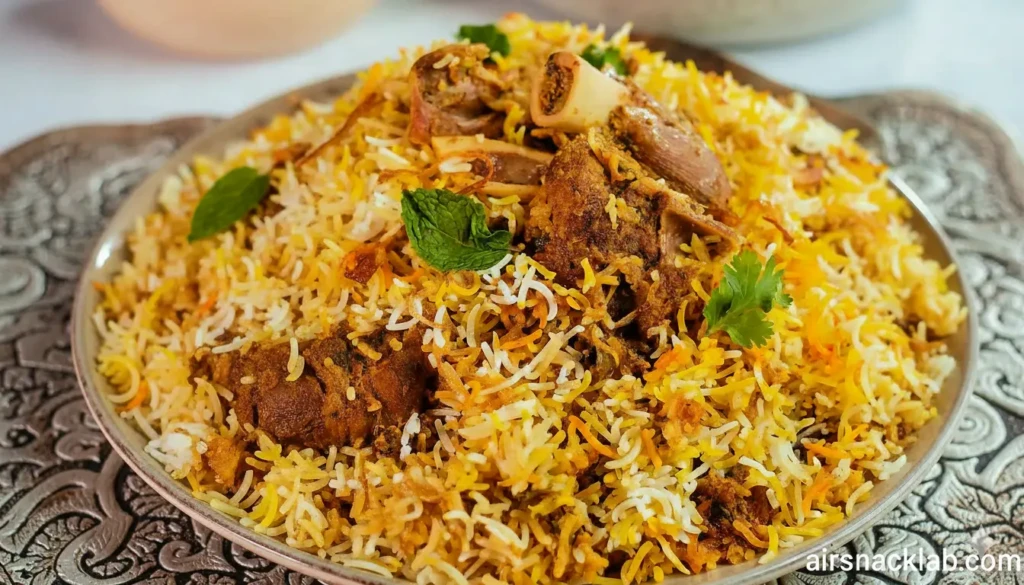
In South Asia, ramadan dishes Pakistani and Indian families prepare are deeply rooted in tradition and hospitality. Iftar spreads often include savory snacks such as samosas, pakoras, chaat, and kebabs, followed by hearty main dishes like biryani, pulao, and curries. Protein-rich options such as tandoori chicken, grilled meats, and lentil-based dishes are common, helping restore energy after fasting.
Suhoor meals in this region focus on flatbreads, eggs, yogurt, and lightly spiced vegetables. Desserts and baked goods, including ramadan cookies recipes, date-based sweets, and milk desserts, are enjoyed in moderation, especially during gatherings. Despite their richness, many families now adapt these recipes to be lighter and more balanced, using less oil and sugar.
Middle Eastern Iftar Dishes
Middle Eastern Ramadan cuisine emphasizes simplicity, nourishment, and communal dining. Iftar often begins with dates and water, followed by soups such as lentil or chicken broth. Popular dishes include grilled meats, rice pilafs, stuffed vegetables, and yogurt-based sides.
Flatbreads, hummus, and salads like fattoush add fiber and freshness to the meal. Desserts are usually syrup-based but served in small portions, allowing families to enjoy tradition without excess.
Turkish Ramadan Specialties
Turkish Ramadan meals are known for their balance and variety. Iftar tables often feature pide bread, soups, stews, grilled meats, and vegetable dishes cooked in olive oil. Yogurt plays a central role, supporting digestion after fasting.
Sweet dishes such as güllaç, a light milk-based dessert, are preferred over heavier pastries during Ramadan, reflecting a cultural emphasis on moderation.
North African Soups & Stews
In North Africa, soups and stews are central to Ramadan meals. Harira, chorba, and slow-cooked meat and vegetable stews provide hydration, protein, and warmth. These dishes are often paired with bread and dates, creating a filling yet gentle Iftar experience.
Spices are used thoughtfully, enhancing flavor without overwhelming digestion, which aligns well with fasting needs.
Across all regions, these recipes reflect the cultural diversity of Ramadan meals while maintaining a shared focus on nourishment, moderation, and togetherness. By exploring global Ramadan traditions, families can enjoy a variety of flavors while still supporting balanced, mindful eating throughout the holy month.
Ramadan Meal Planning Tips
Planning meals in advance helps reduce stress and improves food choices during Ramadan.
- Prepare and freeze Iftar snacks in advance
- Focus on protein and fiber at Suhoor
- Avoid excessive fried foods daily
- Stay consistent with hydration after Iftar
- Eat slowly and mindfully
A simple weekly meal plan can make Ramadan cooking easier and healthier.
FAQs About Ramadan Food & Fasting
What foods keep you full longer during Suhoor?
Foods high in protein and fiber such as eggs, yogurt, oats, lentils, and whole grains help keep you full longer.
How can I avoid dehydration during fasting?
Drink water regularly between Iftar and Suhoor, include hydrating foods, and avoid excessive salty or caffeinated items.
Are fried foods bad during Ramadan?
Fried foods are not forbidden but should be limited. Frequent consumption may cause digestion issues and fatigue.
What is the best Iftar meal?
A balanced Iftar includes dates, water, protein, vegetables, and complex carbohydrates.
Can I prepare Ramadan meals in advance?
Yes. Freezing kebabs, cutlets, soups, and chopped vegetables saves time and reduces daily workload.